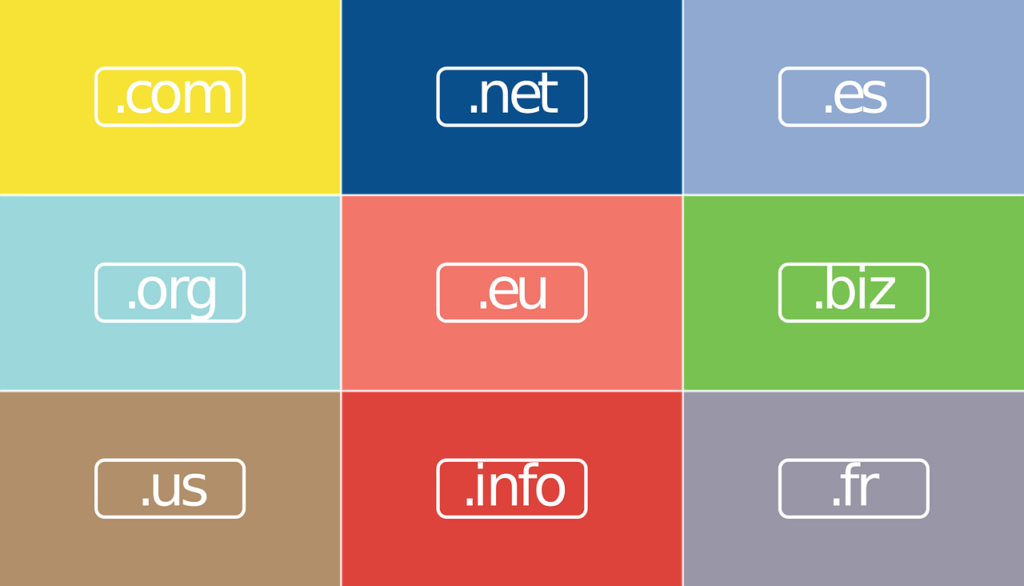
The choice and management of a domain are crucial steps for any business or individual looking to establish an online presence. Not only the domain name but also its extension and proper registration play a fundamental role in ensuring the security and ownership of the service. In this article, we will explore the importance of understanding the rules of registration and management, focusing on the key differences between registration as an individual and as a legal entity.
Individual: Personal Ownership
When registering a domain as an individual, it is crucial to provide truthful and accurate information. The domain will be registered in the name of the person, and only they will have the power to transfer or delete it. This ensures total control over the ownership and management of the domain.
Legal Entity: Essential Company Information
In the case of a legal entity, such as a company, domain registration requires detailed information. This includes the company name, VAT number, or other relevant registration numbers (as in the case of non-profit organizations), and the complete address with the postal code. It is also possible to specify a specific person, such as the owner or CEO, during registration.
Companies must pay particular attention to the entered data, as these represent key information for domain management and proof of ownership in the future.
The Importance of Real Data: Ensuring Domain Ownership
Every domain has an owner, and accurate data is essential to ensure that the rightful owner can exercise their rights. When entrusting domain management to a registrar or provider, responsibility can be delegated to collaborators who may change over time. If a delegate becomes unreachable or unavailable, the owner can assert their ownership rights by submitting ownership documentation to the registrar, registry, or even to ICANN. This may lead to the acquisition or transfer of the domain using an authorization code (AUTHINFO).
It is crucial to keep the data updated, both during the initial registration and in case of transferring the domain to third parties. Only with correct and up-to-date data can ownership rights be effectively exercised.
Extraordinary Procedures and Regulations: Protecting Domain Ownership
The mentioned extraordinary procedures apply only to valid domains. In the event of deletion, the competent authority for enforcing ownership rights is the registry of the extension or ICANN, in accordance with applicable regulations.
In conclusion, proper domain management and registration are essential to ensure online ownership and security. Whether an individual or a legal entity, data accuracy and awareness of procedures are key elements in maintaining control over one’s digital presence.